LipoDyne Official Website › Blog › Capsules, Gummies Or Drops?
Is LipoDyne A Capsule, Gummy Or Drops? Is It 60 Or 120 Count?
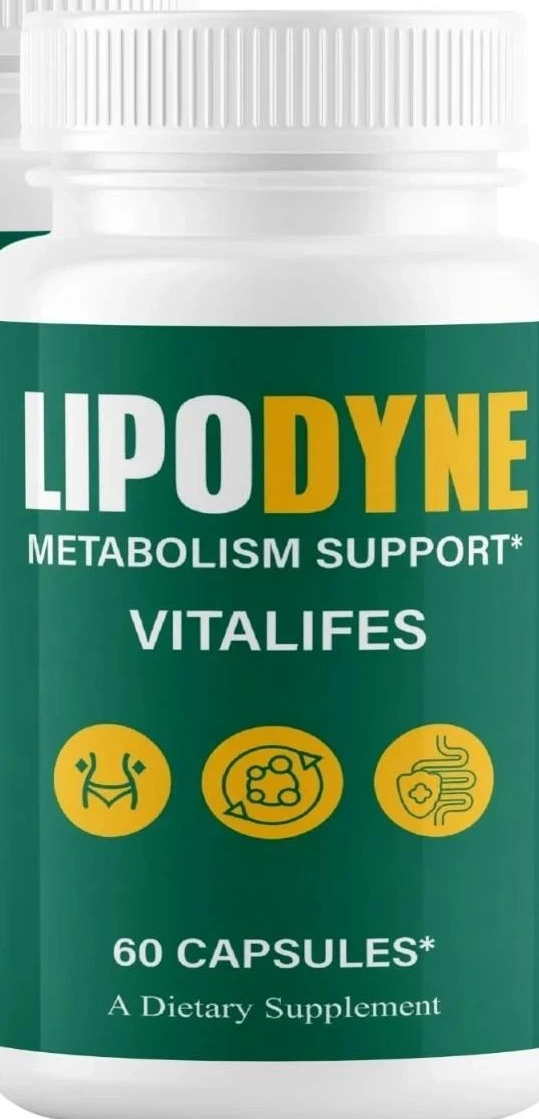
LipoDyne is a capsule. It is not a gummy and it is not liquid drops. The shell is vegetable cellulose, not gelatin. The bottle and the Supplement Facts panel both say 60 capsules, while a marketplace metadata field says 120. Trust the label: 60 capsules, one a day.
Want to see the label terms for yourself?
Not sure which product a listing describes? Open the one this site links to and compare it with the panel described here.
See today’s price and guaranteeDisclosure: this site earns a commission when an order is placed through its link. The price you pay is not changed by it.
- Form: capsule. Not a gummy and not liquid drops.
- Shell: vegetable cellulose, so not gelatin.
- Count: 60 capsules on the bottle and 60 servings per container on the panel.
- A marketplace field reads “Number of Pills: 120”. The label governs, so 60 is correct.
- The same field also lists “Multivitamin, Vitamin B12”, “Dosage: 5 mg” and “Organic”. None matches the panel.
- Cost per capsule is $0.38 at the price read on 19 September 2026, not half that.
- A bottle with a different row count or a gelatin shell is a different product.
Is LipoDyne capsules, pills, gummies or drops?
A capsule. If you have seen it called pills, drops or gummies, the word came from a search habit and not from the bottle. The front prints “60 Capsules”, and the suggested use says to take 1 capsule daily with water.
Pills is a loose word, and a capsule is a pill by most people’s use of it, so “LipoDyne pills” points at the same product. “Gummies” and “drops” do not. This product is not a gummy and not liquid drops, and the facts published for it describe no such version. An ad or page that shows one is not describing this bottle.
Are LipoDyne capsules gelatin or vegetarian?
The shell is vegetable cellulose, printed first on the other-ingredients line. That is a plant-derived capsule, and many capsules in this category are gelatin, which is not plant-derived. A search for “LipoDyne gelatin capsules” therefore has a clear answer: the label prints vegetable cellulose.
None of the six actives is animal-derived, so the label supports a vegetarian diet. There is no certification mark for it on the pack. Treat this as a reading of the ingredient list, not as a certified claim. If a bottle in your hands has a gelatin shell, it is not the product described here.
Why do people search for LipoDyne gummies and drops?
Supplement names are reused freely, and gummies and drops are popular formats in this category. So a shopper who types a product name plus “gummies”, or who searches for a “LipoDyne drops supplement”, may land on an ad for something else that borrows a similar name. The product behind this website is a capsule, and the facts published for it describe no other form.
The same goes for generic searches. “Fat burner capsules” and “fat burner tablets” describe a dosage form, “fat burner gummies” describe another, and “do fat burner gummies work” is a question about a different product altogether.
The practical test is easy. Ask what the product page shows for the Supplement Facts panel. This one has six rows, a serving size of one capsule and a vegetable cellulose shell. A page that shows a different serving size, a liquid dose in drops or a chewable has the wrong product, whatever name it uses.
Vitamin claims work the same way. The seller’s wellness graphic mentions them, but the panel does not, and a capsule that holds only botanical and stimulant rows is not a vitamin product in any form.
What does the capsule format change in practice?
Quite a lot, and mostly in your favour. A single capsule with water takes seconds and needs no measuring, no chewing and no sugar. Because the dose is fixed at one capsule, it is easy to know what you have taken, and easy to count the caffeine, which is 100 mg a capsule.
The format has one drawback. A capsule hides the taste and the feel of what you swallow, so it is easy to forget that it counts as a cup of coffee’s worth of caffeine. Count it with the rest of your morning. And store the bottle in a cool, dry cupboard, with the cap closed, away from the kettle and the shower.
Is LipoDyne 60 capsules or 120 capsules?
Sixty, whatever a search for “LipoDyne 120 capsules” may suggest. The front of the bottle says “60 Capsules”, and the panel line “Servings Per Container” also says 60. Those are two independent places on the packaging, and they agree. The 120 appears in the marketplace listing’s item specifics, which are typed into a form by a seller and are not part of the product.
The difference is not cosmetic, because it changes the price you think you are paying.
| If the bottle has | Cost a capsule at $22.62 | Supply at one a day |
|---|---|---|
| 60 capsules (the label) | $0.38 | 60 days |
| 120 capsules (the metadata) | $0.19 | 120 days |
Only the first row describes the bottle. Anyone who budgeted from the 120 figure has budgeted for twice the supply they will receive.
What else in the listing metadata does not match the bottle?
Three more fields in the same item-specifics block describe a different product. Together with the pill count they look like a template that was not edited.
- “Ingredients: Multivitamin, Vitamin B12”. The panel has no vitamin and no mineral.
- “Dosage: 5 mg”. The panel has no 5 mg row. Its rows run from 500 mg to 10 mg.
- “Organic”. No organic certification appears anywhere on the pack.
A related mismatch sits in the seller’s artwork. Its wellness graphic ends with “Vital vitamins and minerals”, and the panel is the document that governs. This is why every check below begins with the panel and not with the listing text.
How can you tell which product you actually have?
- Turn the bottle round and find the Supplement Facts panel. Look for six rows and a serving size of one capsule.
- Read the amounts: 500, 250, 150, 100, 50 and 10 mg, from the top row down.
- Check the servings per container line. It should say 60.
- Read the other-ingredients line for vegetable cellulose, rice flour, magnesium stearate and silicon dioxide.
- Find the lot on the base of the bottle. The lot printed for this run is LIP-26/GO-7994.
If something does not match, stop taking it, photograph the panel and the base, and call +1 (302) 200-3480 with your order number. A bottle that is not what you ordered is inside the 30-day window if it has just arrived.
What are the label, price and guarantee facts?
| Item | What is published |
|---|---|
| Form and shell | Capsule; vegetable cellulose |
| Count | 60 capsules; 60 servings per container |
| Price read 19 September 2026 | $22.62 a bottle, $0.38 a capsule |
| Returns | 30 days from delivery; seller pays return postage |
| Not published | A gummy, drops or 120-capsule version |
Frequently asked questions
Is LipoDyne a capsule, a gummy or drops?
Are LipoDyne pills the same as capsules?
Are LipoDyne capsules gelatin?
Does LipoDyne come in 60 or 120 capsules?
Is LipoDyne a multivitamin with Vitamin B12?
What should I do if my bottle looks different?
Our view
Our view is that this small corner of the product shows why the panel matters so much. One bottle can be described as 60 pills, 120 pills, a multivitamin, a B12 supplement or organic, and only the panel tells the truth.
So whenever a page, an ad or a listing field disagrees with the Supplement Facts panel, go with the panel. It is the part of the packaging that is regulated, and it is the part you can hold in your hand.
Want to see the label terms for yourself?
To see the listing this site links to, the button below opens it with the live price and return terms. Compare the panel image to the one described here.
See today’s price and guaranteeDisclosure: this site earns a commission when an order is placed through its link. The price you pay is not changed by it.
LipoDyne is a dietary supplement. It is not a drug, it is not FDA approved, and no supplement is. Nothing here claims to diagnose, treat, cure or prevent any disease, and nothing here promises weight loss. For medical questions, medicines you already take, pregnancy, nursing or a health condition, ask a doctor or pharmacist before starting.
Last updated