LipoDyne Official Website › Blog › LipoDyne Ingredients
What Are The Ingredients In LipoDyne? Reading The Label Row By Row
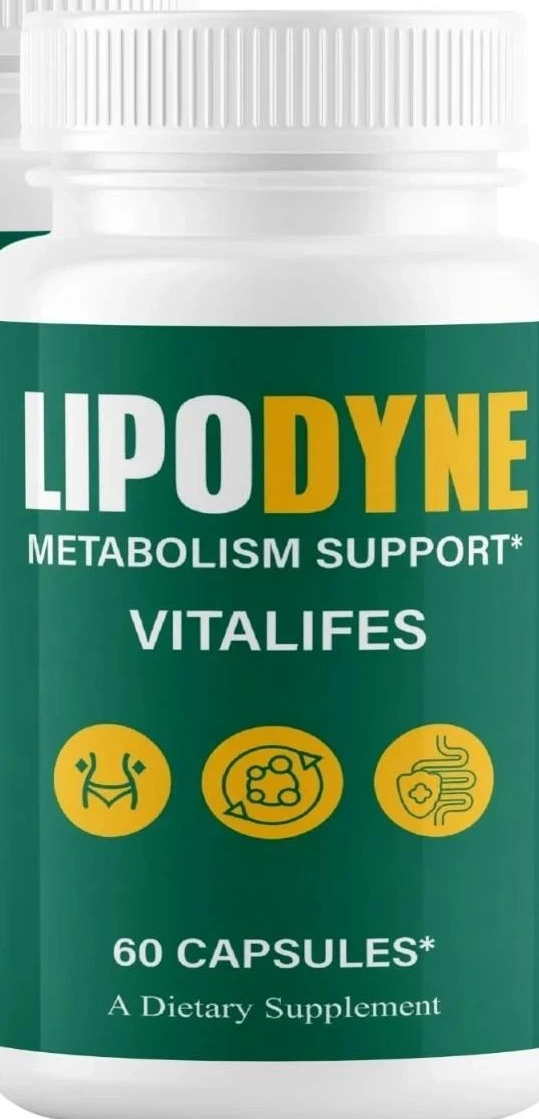
LipoDyne lists six actives: garcinia cambogia extract 500 mg, green tea extract 250 mg, apple cider vinegar powder 150 mg, caffeine anhydrous 100 mg, cayenne pepper extract 50 mg and black pepper extract 10 mg. Other ingredients are vegetable cellulose, rice flour, magnesium stearate and silicon dioxide. There are no vitamins, minerals or blends.
Want to see the label terms for yourself?
You can compare every row below with the bottle yourself. The order page shows the live price and the 30-day return terms.
See today’s price and guaranteeDisclosure: this site earns a commission when an order is placed through its link. The price you pay is not changed by it.
- Six actives, 1,060 mg in total per capsule, each with its own printed amount.
- Caffeine anhydrous is the only row with no interpretation left in it: 100 mg is 100 mg.
- Five rows are extracts or a powder with no strength printed.
- Four other ingredients sit below the panel: the vegetable cellulose capsule, rice flour, magnesium stearate and silicon dioxide.
- No vitamin or mineral appears on the panel. Magnesium stearate is not a source of dietary magnesium in any meaningful amount.
- Black pepper extract inactivates CYP3A, so name it to a prescriber if you take medicines.
- The % Daily Value column is empty because no Daily Value is established for these rows.
What are the six active ingredients in LipoDyne?
Whether you search for the “LipoDyne ingredients list” or for “LipoDyne capsules ingredients”, the answer is the same six rows. That is the whole LipoDyne formula. It is also what a readable label looks like when you compare fat burner ingredients across products: one printed amount for each row.
| Row, as printed | What the material is | What the number settles | What it leaves open |
|---|---|---|---|
| Garcinia Cambogia Extract (fruit rind), 500 mg | A concentrate of the rind of a South Asian fruit, taken for its hydroxycitric acid | The plant, the part used, the weight of extract | How strong the extract is; no acid percentage is printed |
| Green Tea Extract (Camellia sinensis) (leaf), 250 mg | A concentrate of tea leaf, taken for its catechins and EGCG | The species, the leaf, the weight of extract | The share that is catechins or EGCG |
| Apple Cider Vinegar Powder, 150 mg | Vinegar dried onto a carrier so it fits in a capsule | That it is a dried powder, not a liquid | The acetic acid content |
| Caffeine Anhydrous, 100 mg | Dried caffeine, one defined compound | Everything | Nothing |
| Cayenne Pepper Extract, 50 mg | A concentrate of chilli fruit, taken for its capsaicinoids | The plant and the weight of extract | The capsaicinoid content |
| Black Pepper Extract (BioPerine), 10 mg | A branded piperine concentrate | The trade name, which points at a published specification | Whether 10 mg is extract or piperine |
Add the six amounts and you get 1,060 mg. That sum is only possible because there is no proprietary blend. A blend would have printed one total and left the split unknowable.
What is the garcinia in LipoDyne?
Garcinia cambogia comes from a fruit rind and is taken for its hydroxycitric acid. The label says 500 mg of extract, and the weight of extract is not the weight of acid. The 1998 JAMA trial gave 135 overweight adults 1,500 mg of hydroxycitric acid a day for twelve weeks, and they did no better than placebo. A dose-response meta-analysis reached a more favourable view, and it belongs in an honest account.
Commercial rind extracts are commonly in the range of 50 to 60 per cent hydroxycitric acid. That would put 500 mg of extract near 250 to 300 mg of acid, but the word that matters is “commonly”. This bottle prints no percentage, so the true figure is not knowable from the label and should not be guessed.
Garcinia also appears in a liver-injury case literature, covered by the DILIN analysis of garcinia and green tea and the LiverTox chapter on Garcinia cambogia. Such reports are uncommon against very many exposures. They are the reason people with liver disease should ask a doctor first.
What is the green tea extract in LipoDyne?
Green tea extract is a concentrate of leaf, taken for catechins and EGCG in particular. Nagao’s trial used 583 mg of catechins a day for twelve weeks, and a high-dose EGCG trial used 857 mg of EGCG. Leaf extracts on sale run anywhere from 20 to 98 per cent catechins, so 250 mg of extract could hold very little catechin or most of its weight in it. The label cannot tell you which.
The liver signal in concentrated green tea extract is real and dose-related, with the case amounts running well above the 250 mg here. The US Pharmacopeia safety review and the LiverTox chapter on green tea are the two best summaries.
What is the apple cider vinegar powder?
It is vinegar dried onto a carrier, usually maltodextrin, so it can sit in a capsule instead of a glass. Kondo’s twelve-week vinegar trial gave 175 obese Japanese adults 15 mL or 30 mL of liquid vinegar daily, carrying roughly 750 mg and 1,500 mg of acetic acid.
The panel row is 150 mg of powder. Even if that powder were pure acetic acid, which no vinegar powder is, it would be a fifth of the smaller trial amount. The fair reading is that this row nods at a popular ingredient rather than delivering a trial dose. A review of apple vinegar’s side effects lists what has been reported.
What do the cayenne and black pepper extracts do?
Cayenne is on the panel for capsaicinoids, the compounds behind a chilli’s heat. Whiting’s systematic review and a meta-analysis of red pepper and thermogenesis both land near 34 to 50 kilocalories a day, counted in capsaicinoid milligrams. The label counts extract milligrams, and the two units cannot be converted without a strength figure, so the row is present and not dosed.
Black pepper extract is different. It is there to help other compounds cross the gut wall. Shoba’s bioavailability study paired 20 mg of piperine with 2 g of curcumin and saw about a twentyfold rise in curcumin reaching the blood. There is no curcumin on this panel.
Ten milligrams is too little to feel and enough to matter to a prescription, because piperine inactivates CYP3A, as the CYP3A inactivation study measured. If you take a regular medicine, name the product to your prescriber.
What is the caffeine in LipoDyne, and why is it the clearest row?
Caffeine anhydrous is dried caffeine. There is no plant left in it, so 100 mg on the panel is 100 mg in the capsule. Dulloo’s 1989 study gave exactly 100 mg, which makes this the one row you can set directly beside its research. One capsule is about a cup of filter coffee and a quarter of the 400 mg a day given for healthy adults.
What else is in a LipoDyne capsule?
Below the panel, the other-ingredients line reads: vegetable cellulose (capsule), rice flour, magnesium stearate, silicon dioxide. The shell is plant-derived, which suits a vegetarian diet. Many capsules in this category are gelatin, so the difference is worth seeing in print.
Rice flour brings the fill up to a consistent volume. Magnesium stearate and silicon dioxide keep powder from sticking on the filling line. None is there for effect. A reader scanning for minerals may stop at the word magnesium, but magnesium stearate is a salt of a fatty acid and not a meaningful source of the mineral.
What is missing from the LipoDyne ingredients list?
- Vitamins and minerals. None, whatever the seller’s wellness graphic says.
- Standardisation percentages. Five rows lack the line that would let you compare them with their research.
- A third-party testing mark. None appears on the pack, and no laboratory result is published.
- Curcumin. The pepper extract’s best-known partner is not here.
None of this is hidden, and none of it is unusual in this category. The honest summary is a conservative formula with a more honest label than most.
What are the label, price and guarantee facts?
| Item | What is published |
|---|---|
| Serving size and count | 1 capsule; 60 servings per container |
| Actives per capsule | 1,060 mg across six rows |
| Price read 19 September 2026 | $22.62 a bottle, $0.38 a day |
| Returns | 30 days from delivery; seller pays return postage |
| Not published | Hydroxycitric acid, catechin, EGCG, acetic acid and capsaicinoid content of the extracts |
Frequently asked questions
What are the ingredients in LipoDyne?
Does LipoDyne use a proprietary blend?
How much hydroxycitric acid is in LipoDyne?
Is the caffeine in LipoDyne natural or synthetic?
Does LipoDyne contain magnesium or vitamins?
Does LipoDyne contain any allergens?
Our view
Our view is that the ingredient list is a good example of half-honest labelling. Every amount is printed, which is rare. But five of those amounts are weights of plant material with no strength attached, so the numbers feel precise and are not.
Caffeine is the row to trust. The pepper extract is the row to mention to a prescriber. The other four are present, and the label alone cannot tell you whether they are present in a useful amount.
Want to see the label terms for yourself?
If the list suits you, the order page opens the bottle with the live price and return terms. Check the panel against this article when it arrives.
See today’s price and guaranteeDisclosure: this site earns a commission when an order is placed through its link. The price you pay is not changed by it.
LipoDyne is a dietary supplement. It is not a drug, it is not FDA approved, and no supplement is. Nothing here claims to diagnose, treat, cure or prevent any disease, and nothing here promises weight loss. For medical questions, medicines you already take, pregnancy, nursing or a health condition, ask a doctor or pharmacist before starting.
Last updated